Dosing protocols for disc herniations are extrapolated from studies on other tissues and from clinical experience
What the Evidence Suggests (So Far) Tendon & musculoskeletal: In vitro work shows BPC-157 can increase growth-hormone receptor expression in tendon fibroblasts, consistent with tissue repair pathways
FDA Status: Not evaluated or approved by the U.S
In our experience, patients with a subacute tendinopathy that has stalled at 6 to 12 weeks of physical therapy tend to notice a meaningful change in pain and range of motion within 3 to 4 weeks of starting a BPC-157 protocol
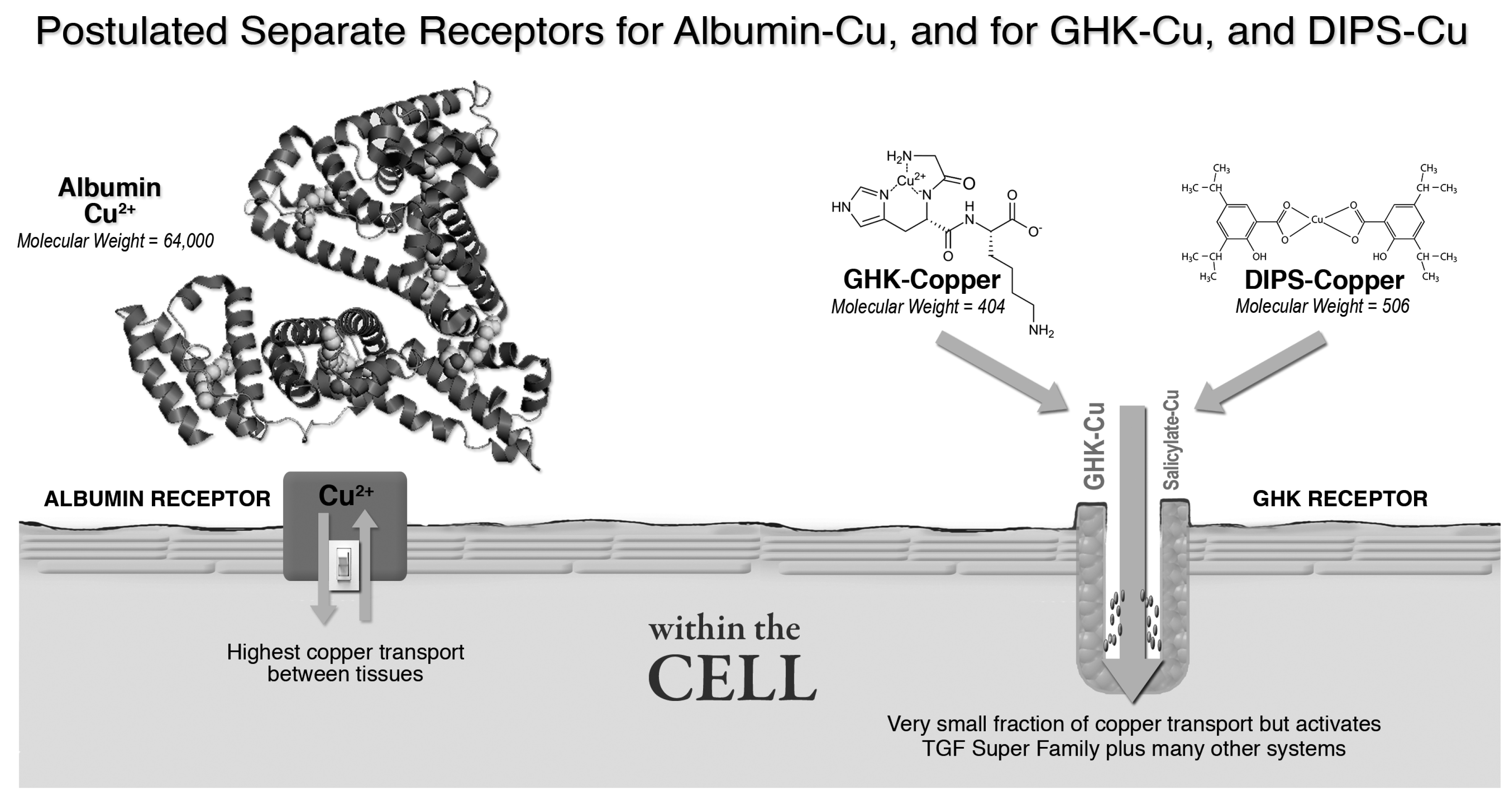
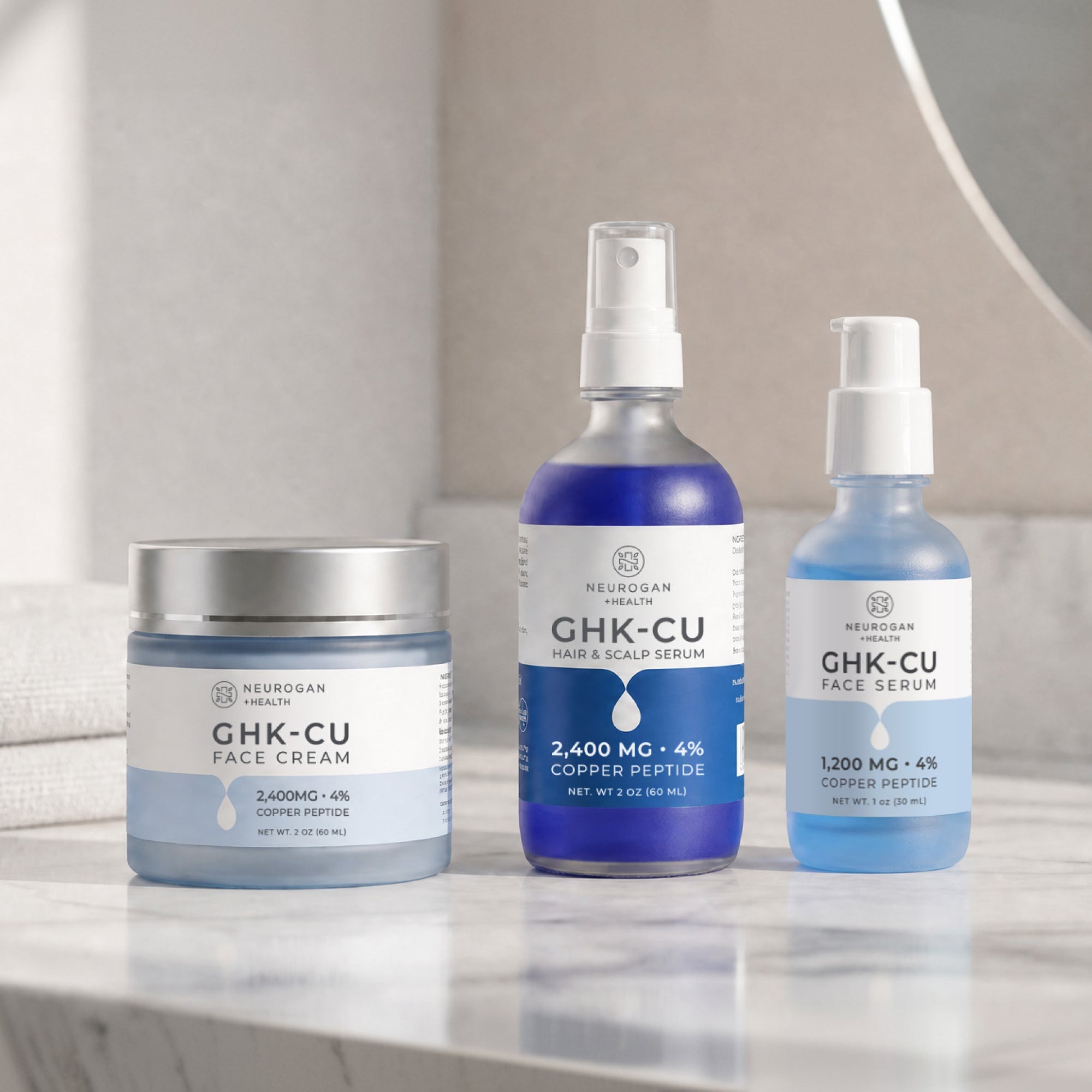
When it binds to specific receptors, it signals the body to: Stimulate the production of collagen and elastin Promote the growth of blood vessels (angiogenesis) Reduce systemic inflammation Boost antioxidant defenses Why People Use It Our bodies naturally produce high levels of GHK-Cu when we are young, but these levels drop dramatically by age 60

Why dual-pathway targeting is more effective Single pathway limitations: GLP-1 alone eventually plateaus Body compensates over time Weight loss slows after 6-12 months Some people don't respond optimally Dual pathway advantages: Harder for body to compensate Multiple redundant systems targeted Sustained weight loss longer Better for non-responders to single therapy Mechanistic synergy: Amylin + GLP-1 naturally work together Both released after meals normally Physiologic combination Not forcing unnatural state Clinical implications: Patients who plateau on semaglutide benefit from adding cagrilintide Initial combination produces maximum results May prevent or delay weight regain Better long-term outcomes Cagrilintide and semaglutide dosing protocols Proper dosing ensures maximum efficacy with manageable side effects