It was first introduced in the US in 2017
This method integrates a dimeric copper peptide incorporated hydrogel (G/D-CuP) to address several critical factors: i) The design and synthesis of the dimeric copper peptide (D-CuP) feature a broad range of targets and enhanced biological activities, such as anti-inflammatory and antioxidative properties, while promoting angiogenesis and fibroblast proliferation and migration 33,48
Campisi, Cellular senescence as a tumor-suppressor mechanism
ImageJ2: ImageJ for the next generation of scientific image data
The images or other third party material in this article are included in the articles Creative Commons license, unless indicated otherwise in the credit line
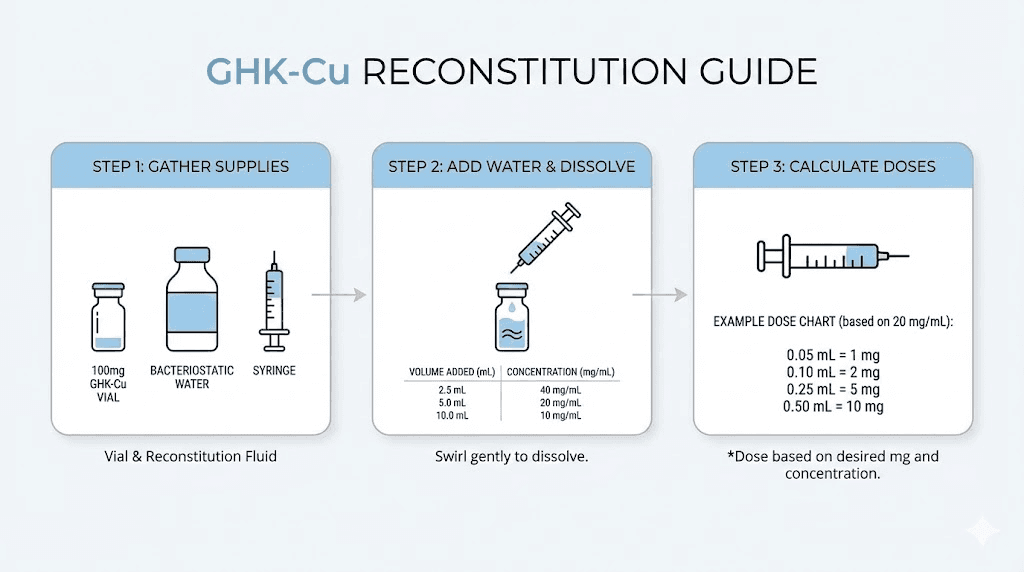
Key Takeaways Cagrilintide is a long-acting amylin analogue with clinical trial doses ranging from 0.3 mg to 4.5 mg weekly, while retatrutide is a triple agonist studied at 4 mg, 8 mg, and 12 mg weekly doses No published clinical trials currently exist evaluating the cagrilintide dosage with retatrutide combination, making any combined use experimental and off-label Both peptides work through different mechanismscagrilintide activates amylin receptors while retatrutide targets GIP, GLP-1, and glucagon receptorssuggesting potential complementary effects Gastrointestinal side effects (nausea, vomiting) occur in 60-80% of participants at higher doses for both compounds, raising concerns about additive effects when combined Proper dose escalation protocols spanning 8-20 weeks are critical for tolerability and adherence in peptide-based metabolic therapies Understanding Cagrilintide: Mechanism and Dosage Fundamentals What Is Cagrilintide