Ulcerative colitis: epidemiology, diagnosis, and management
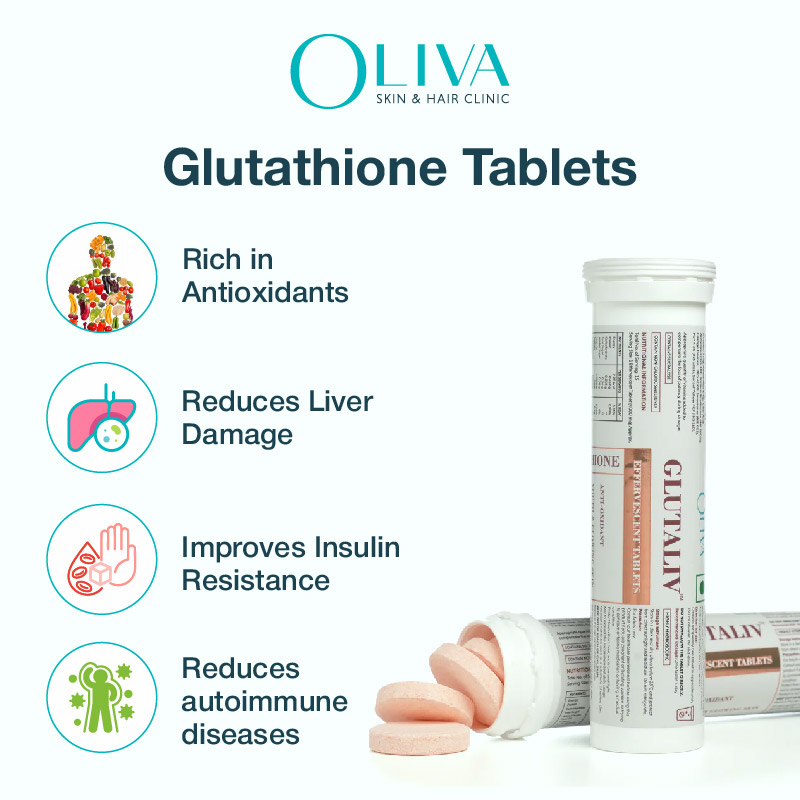
Sun protection remains crucial when using glutathione for skin brightening, as UV exposure can counteract the pigmentation-regulating effects and cause new damage that the antioxidant must work to repair
Minimal residual disease (MRD) in remission t(8;21) AML and in vivo differentiation detected by FISH and CD34+ cell sorting
Les phospholipides utiliss sont issus de tournesol non OGM, sans recours a des solvants chimiques ni a des procds dirradiation, garantissant ainsi une formulation 100 % naturelle
47 Chalcones (1,2-diphenyl-2-propen-1-one) belonging to the flavonoid family, such as isoliquiritigenin (licorice roots) and xanthohumol (hops), have been shown to decrease pulmonary inflammation caused by lipopolysaccharide (LPS)

Lyophilized vs liquid peptide stability Lyophilized (freeze-dried) powder: Most peptides sold in this form Moisture removed via freeze-drying Very stable when dry Can last years if stored properly Requires reconstitution before use Lyophilized stability: Freezer (-20C): 2-5+ years for most peptides Refrigerator (2-8C): 1-2 years typical Room temperature: Weeks to months (varies by peptide) Key factor: Keeping it DRY (moisture is enemy) Liquid (reconstituted) peptides: Peptide dissolved in water Much less stable than powder Water enables hydrolysis Bacterial contamination risk higher Limited shelf life Liquid stability: Refrigerated with bacteriostatic water: 28-30 days typical Refrigerated with sterile water: 5-7 days maximum Room temperature: Hours to 1-2 days only Frozen (reconstituted): DO NOT FREEZE liquid peptides Key principle: Keep peptides as dry powder until needed, then use reconstituted solution within recommended timeframe