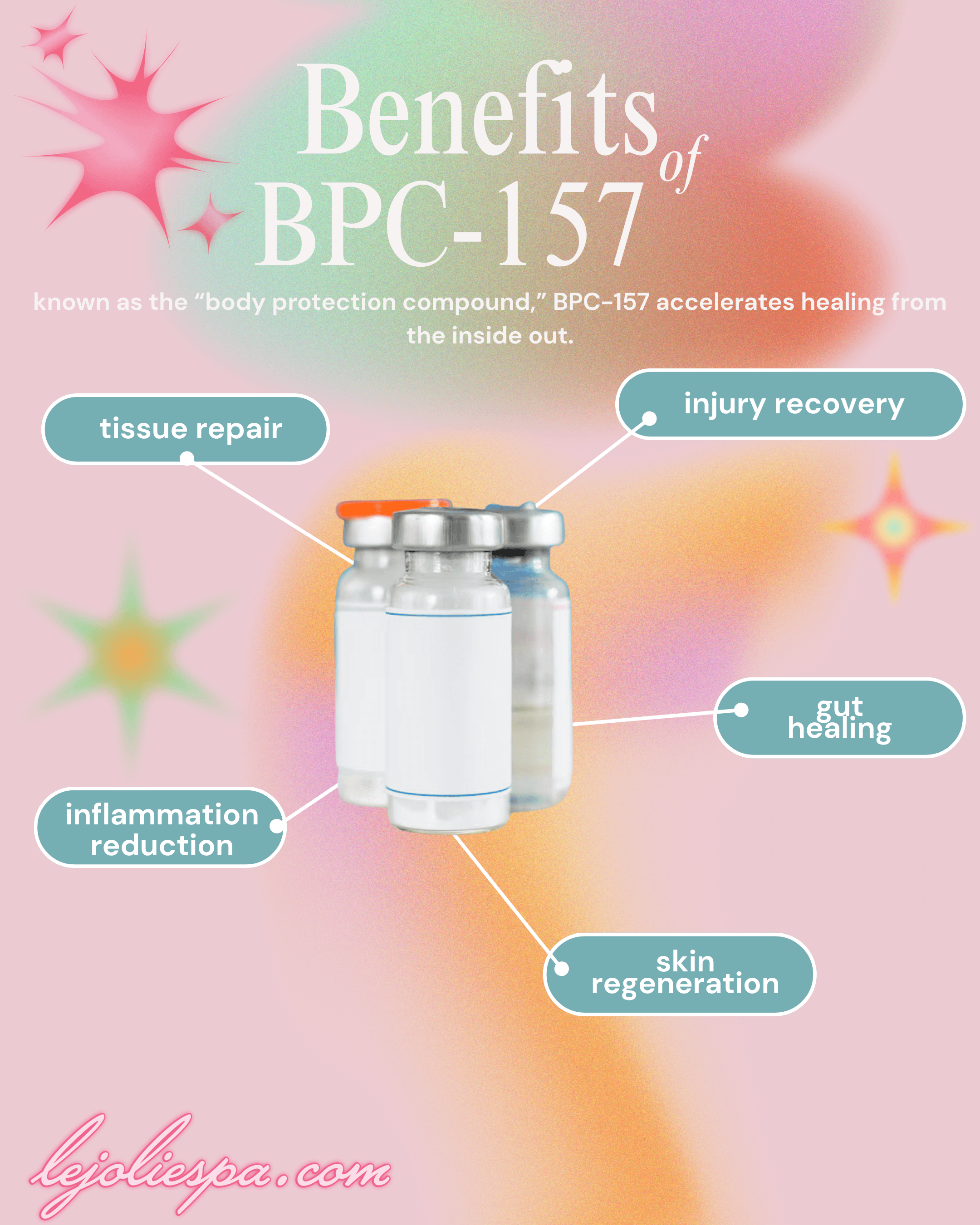
BPC-157: The Tissue Repair Catalyst Derived from : Body Protection Compound found in gastric juice Mechanism : Promotes angiogenesis (formation of new blood vessels) Enhances fibroblast migration and growth Improves collagen formation Reduces inflammatory cytokines (e.g., TNF-alpha, IL-6) Impact : Accelerates healing in tendons, ligaments, muscles, nerves, and the GI tract TB-500: The Mobility Enhancer Synthetic version of : Thymosin Beta-4 Mechanism : Increases actin production (a protein essential for cell movement and structure) Promotes wound remodeling Reduces fibrosis and scar tissue Downregulates NF-kB , a key driver of inflammation Impact : Enhances cellular repair, improves mobility, reduces joint stiffness GHK-Cu: The Skin and Anti-Aging Powerhouse Naturally found in : Human plasma, saliva, and urine Mechanism : Binds to copper and delivers it into tissues Stimulates type I and III collagen production Increases elastin , glycosaminoglycans , and keratinocyte migration Acts as an antioxidant and anti-inflammatory compound Impact : Promotes firm, elastic skin

AHK-Cu may be one tool in a broader approach to supporting hair during these transitions
The synergistic effects of this combination on tissue repair, angiogenesis, cell migration, inflammation modulation, and regenerative biology are being researched in preclinical models
This balanced effect on coagulation pathways suggests potential applications in conditions involving both thrombosis risk and bleeding concerns
Storing them in plastic syringes for extended periods can increase the risk of degradation and contamination
This structural stability supports convenient weekly administration protocols, reducing variable stress on subjects compared to daily peptides